Cost-Effective Fence Replacement: Transform Your Outdoor Space Today
Affordable fence replacement plays a vital role in improving outdoor areas while maintaining property value. Homeowners often overlook the benefits of timely fence updates. By selecting appropriate materials and approaches, homeowners can attain both visual appeal and safety without overspending. Being aware of the available choices is crucial. What are the best choices for budget-conscious homeowners? The answers may lead to unexpected solutions.
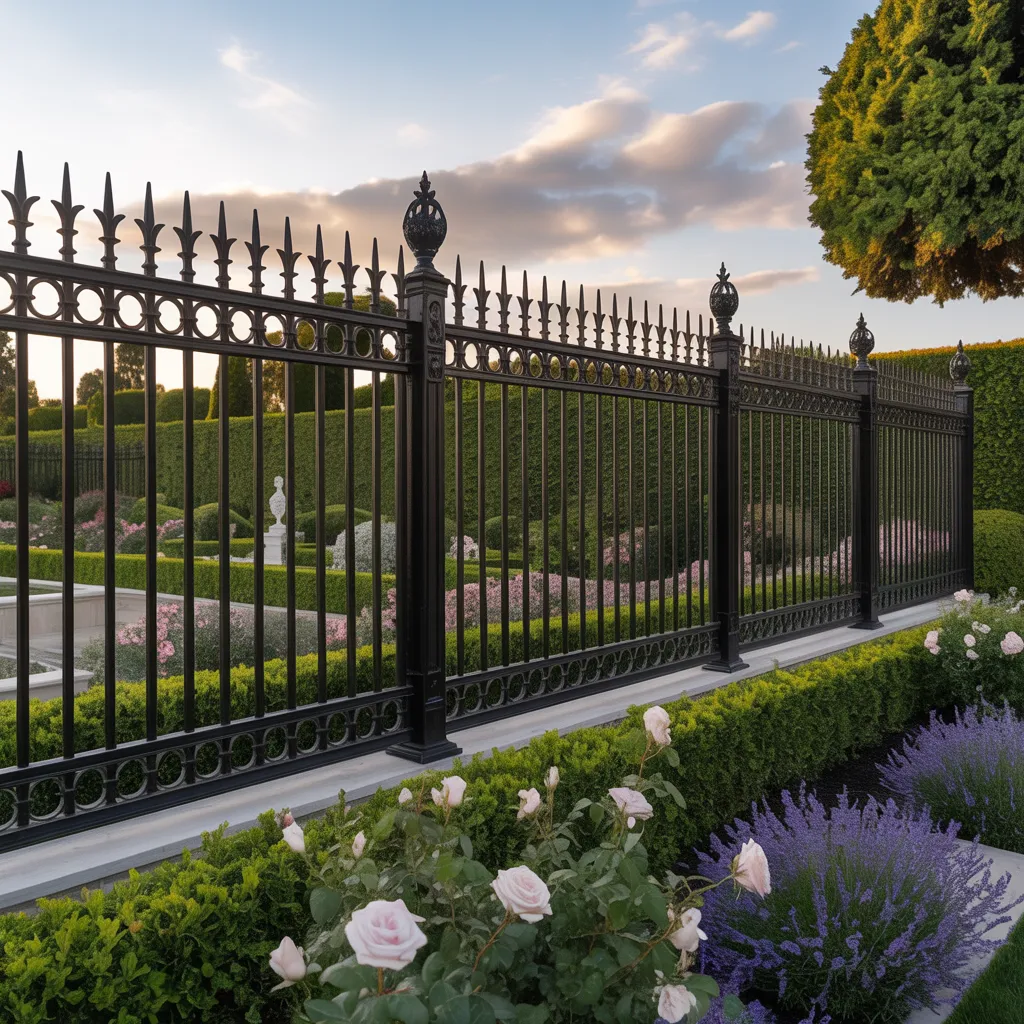
Assessing Your Fencing Needs
How does one establish the most effective method to replacing a fence? The journey starts with a comprehensive evaluation of the present state of the fence. This includes checking for rot, decay, or damage, as well as evaluating the overall aesthetics and functionality of the fence in place. It is also important to consider the primary function of the fence—whether for boundary marking, privacy, or security. Next, it's essential to measure the area that needs fencing, guaranteeing precise measurements for choosing materials. Cost limitations are of great importance; being aware of the cost differences among materials, such as metal, wood, or vinyl, enables well-informed choices. In addition, zoning ordinances and community appearance standards should be taken into account during planning. By addressing these key factors, property owners can confidently select the best fencing option tailored to specific needs and circumstances, ensuring a smooth and successful fencing project.
Why Affordable Fence Replacement Matters for Homeowners
Although many property owners tend to underestimate the value of cost-effective fence replacement, it serves a critical function in preserving the value and security of a property. A well-maintained fence not only improves the visual appeal of a home but also acts as a protective barrier against intruders and unwanted animals. With time, the effects of weathering and use can diminish a fence's reliability, making timely replacement vital.
Cost-effective choices allow homeowners to repair and replace their fencing without overspending on renovations. This investment not only enhances security but also significantly boosts curb appeal, which can influence potential buyers in the future. Additionally, a freshly installed fence can define property boundaries clearly, reducing disagreements with neighboring residents. As outdoor spaces grow more valuable for unwinding and outdoor activities, a solid and elegant fence elevates these environments, making them more inviting. Ultimately, cost-effective fence renewal is a smart decision for homeowners aiming to preserve and upgrade their property.
Find Cost-Effective Fencing Materials
Considering economical fencing materials can significantly influence a homeowner's capacity to preserve both functionality and aesthetics. Choices such as vinyl, chain link, and pressure-treated wood provide practical options without overspending. Vinyl fence options proves durable while requiring minimal maintenance, making it a worthwhile long-term solution. Although chain link is frequently regarded as utilitarian, can be enhanced with slats or vinyl coatings to enhance privacy and appearance. Treated wood fencing offers a timeless look and can be customized with stains or paints, providing homeowners artistic flexibility.
For those seeking eco-friendly alternatives, bamboo and recycled plastic fencing continue to gain widespread appeal. These options not only minimize ecological footprint but also offer distinctive aesthetic qualities. By thoughtfully evaluating these affordable choices, homeowners can discover fencing solutions that elevate their outdoor areas while staying within budget. At the end of the day, the best option will strike a balance between appearance, resilience, and value, securing lasting satisfaction well into the future.
How to Find the Best Fence for Your Budget
When picking a fence that fits within budget limitations, evaluating individual needs is essential. This entails accounting for factors such as function, setting, and visual appeal. Subsequently, exploring various material options can reveal affordable alternatives that address those requirements successfully.
Determine Your Needs First
What is the best way to select the right fence for their price range? Initially, it is important to evaluate specific needs, such as security, privacy, and visual appeal. Determining the main goal of the fence will direct decisions and reduce available selections. Furthermore, reviewing the size of the area to be fenced is essential, as this will affect material and labor costs. Moreover, reviewing local zoning regulations and homeowner association guidelines can eliminate unforeseen financial obstacles. To conclude, establishing a clear budget early on will streamline the decision-making process, allowing for a more focused selection of materials and styles. By carefully considering these factors, one can reach thoughtful conclusions that correspond with their spending capacity while fulfilling their fencing requirements.
Explore Material Options Smartly
Identifying the best fence material for a specific budget requires careful consideration of different materials available in the market. Homeowners often weigh affordability against durability, appearance, and ongoing maintenance. Wood fencing deliver a classic look but can demand regular upkeep, while vinyl fencing offers a hassle-free choice at a greater upfront investment. Metallic alternatives, such as wrought iron or chain-link, provide longevity and security, though they can vary considerably in price. Composite fencing merge the aesthetics of wood with the strength of man-made alternatives, making them a flexible option. In the end, assessing each material's longevity, installation costs, and ongoing care will direct property owners toward a choice that harmonizes quality with budget requirements, ensuring a satisfying outdoor investment.
Money-Saving DIY Fence Installation Tips
When planning a DIY fence installation, choosing cost-effective materials can considerably influence overall costs. Thoughtful layout planning also works to minimize unnecessary waste and improve overall efficiency. Furthermore, utilizing online resources can offer helpful tips and guidance, further enhancing the overall DIY experience.
Pick Cost-Effective Materials Smartly
Although many homeowners believe that building a quality fence demands a large investment, opting for cost-effective materials can significantly cut costs without diminishing quality. Options such as pressure-treated wood, vinyl, or chain-link fencing provide reliable choices at lower prices. Additionally, exploring recycled materials can offer unique aesthetics while being eco-friendly and economical. Property owners should also look into local vendors, as they often provide savings on large-quantity orders. Choosing pre-fabricated panels can streamline the installation process and reduce labor expenses. Furthermore, picking materials that require minimal upkeep can result in considerable long-term cost reductions. Through thoughtful consideration of these choices, homeowners can create an affordable and appealing fencing solution suited to their yards.
Organize Your Layout With Precision
A well-thought-out strategy is crucial for a effective DIY fence construction. Proper planning helps to eliminate unnecessary expenses and confirms that the fence serves its intended purpose. As a first step, property lines should be clearly marked to eliminate boundary disagreements. After that, precise measurement of the space is critical; this includes factoring in slopes, obstacles, and gates to assure functionality. It is advisable to draw a comprehensive layout, specifying the positioning and design of the fence. This visual guide aids in estimating costs and material requirements. In addition, taking local zoning ordinances into account can eliminate future problems. By investing time in planning, property owners can simplify the overall installation, increase the project's overall productivity, and ultimately save money.
Utilize Helpful Online Resources
Once careful planning and layout design are complete, homeowners can take great advantage of making use of valuable online resources. Numerous platforms offer comprehensive guides and videos that streamline the DIY fence installation process. Home improvement websites often feature step-by-step instructions, material lists, and cost estimators, allowing homeowners to budget effectively. Additionally, online forums and social media groups offer valuable insights from seasoned DIYers who share tips and tricks to avoid common pitfalls. Several manufacturers also supply detailed product specifications and installation manuals, ensuring that homeowners select the right materials for their projects. By leveraging these resources, individuals can enhance their knowledge and confidence, culminating in a successful and budget-friendly fence replacement.
Smart Maintenance Strategies to Preserve Your Fence
Many homeowners seek cost-effective care techniques to prolong the life of their fences. Periodic inspections are vital; identifying issues early can avoid expensive fixes down the line. Property owners should routinely wash their fences, eliminating dirt, mildew, and algae with a simple mixture of water and mild detergent. This not only enhances appearance but also prevents deterioration.
Using a sealant or protective coating every few years can protect wood fences from moisture and UV damage, increasing their longevity. Furthermore, pruning adjacent vegetation can limit the effects of moisture buildup and encroaching plant growth.
Utilizing appropriate hardware, such as rust-resistant fasteners, can reduce corrosion and improve durability. Furthermore, homeowners should consider applying a fresh coat of stain or paint rather than full replacement, which is a budget-friendly alternative. Following these approaches can effectively maintain fence integrity while keeping costs low, making certain the outdoor space continues to feel inviting and protected.
Frequently Asked Questions
How Long Does the Fence Replacement Process Typically Take?
The process of replacing a fence generally requires anywhere from one to three days, according to the scope of the project and the materials selected. Permit requirements and weather conditions may further impact the overall schedule.
What Permits Are Required for Fence Replacement?
Typically, replacing a fence requires local construction permits, approval from zoning authorities, and in some cases consent from the HOA. Regulations vary by location, so homeowners should check with local authorities prior to starting the project.
Can I Finance My Fence Replacement Project?
Yes, there are often financing options available for fence replacement projects. Homeowners can explore personal loans, credit lines, or specific financing plans offered by contractors, helping them handle expenses over time while upgrading their property.
Do Eco-Friendly Fencing Options Exist?
Yes, eco-friendly fencing options exist, including bamboo, recycled plastic, learn here and reclaimed wood. These options offer sustainable alternatives that help reduce environmental impact, attracting homeowners who wish to upgrade their outdoor area both responsibly and beautifully.
What Should I Look for When Choosing a Dependable Fencing Contractor?
To find a dependable fence contractor, one should look up online reviews, ask for references, check licenses and insurance, compare quotes, and gauge communication skills to secure a professional and trustworthy working relationship for the duration of the project.